Why International Agribusinesses Prefer Long-Term CAN Supplier Partnerships Over Low-Cost Spot Purchases
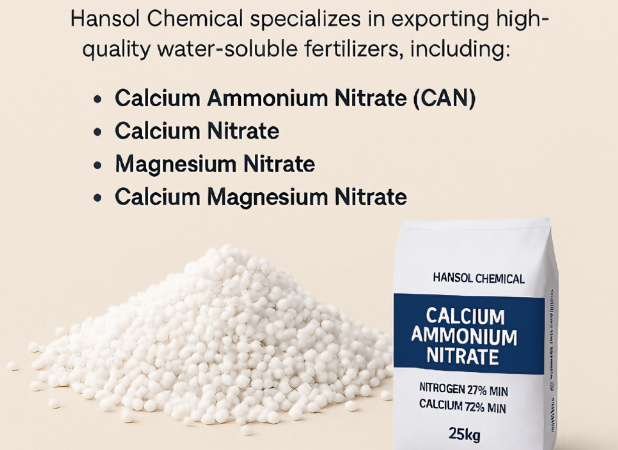
Introduction: Low-Cost CAN May Seem Attractive—but Carries Higher Risks
In the international trade of Calcium Ammonium Nitrate (CAN),
“low-priced spot cargo” has long held strong appeal.
However, in recent years, an increasing number of international agribusinesses, regional distribution leaders, and large trading companies have explicitly shifted their procurement strategies:
From “chasing the lowest price” to “establishing long-term CAN supply partnerships.”
This is not merely a market trend—it is a rational decision based on extensive real-world experience.
I. Five Common Problems with Low-Cost Spot CAN (Well-Known to Buyers)
1️⃣ Unpredictable Batch Quality
- First batch meets specifications
- Subsequent batches suffer from caking or inconsistent granule size
- Quality fluctuations directly impact downstream customers
2️⃣ High Compliance and Shipping Risks
- Insufficient experience with Dangerous Goods (DG) declarations
- Last-minute carrier refusal to load
- Port delays or forced port changes
3️⃣ Unreliable Delivery Timelines
- Uncontrollable production scheduling
- During market volatility, other clients receive priority
- Critical sales windows are missed
4️⃣ Ambiguous After-Sales Responsibility
- Spot transactions end upon delivery
- Difficult to assign accountability when issues arise
- Buyers are forced to absorb all risks themselves
5️⃣ Total Cost Exceeds Expectations
The “low price” often masks hidden costs such as:
- Storage losses
- Customer complaints
- Internal management overhead
- Brand reputation risk
II. Long-Term CAN Partnerships Address Risk—Not Just Price
For international agribusinesses, CAN is not a one-time commodity—it is an integral part of a long-term supply chain.
Core Value Delivered by Long-Term Suppliers Includes:
✔ Consistent Product Quality
- Standardized manufacturing process
- Fixed formulation
- Batch-to-batch consistency
✔ Predictable Delivery Capability
- Priority production scheduling
- Contractually guaranteed delivery dates
- Reliable supply during peak seasons
✔ Reduced Compliance Risk
- Deep familiarity with DG regulations
- Stable vessel booking resources
- Mature export procedures
✔ Lower Management Costs
- Fewer repeated quality tests
- Reduced internal coordination effort
- Minimal after-sales issue resolution
III. Shifting Focus from “Purchase Price” to “Total Cost of Ownership (TCO)”
Mature procurement teams are placing greater emphasis on Total Cost of Ownership (TCO):
| Cost Category | Low-Cost Spot | Long-Term Partnership |
|---|---|---|
| Unit Price | Low | Stable |
| Quality Variability | High | Very Low |
| Storage Losses | High | Low |
| Customer Complaints | Frequent | Rare |
| Supply Disruption Risk | High | Controllable |
The conclusion is often clear:
The “total cost” of long-term CAN partnerships is actually lower.
IV. Why International Agribusinesses Prefer Signing Long-Term CAN Contracts
1️⃣ Supports Annual Procurement Planning
- Clear volume commitments
- Defined product specifications
- Guaranteed delivery schedules
2️⃣ Enables Price Risk Management
- Reduces exposure to extreme market volatility
- Improves budget predictability
3️⃣ Ensures Long-Term Brand Stability
- Product consistency
- Consistent customer experience
4️⃣ Facilitates Internal Management and Auditing
- Contract-based procurement
- Transparent and compliant processes
V. Hansol Chemical’s Long-Term CAN Partnership Model
Hansol Chemical positions itself as a strategic long-term CAN supplier, not a short-term spot seller.
We offer long-term partners:
- ✔ CAN products with stable formulations
- ✔ Rigorous batch-to-batch consistency control
- ✔ Priority production scheduling under contract
- ✔ Export compliance and DG management support
- ✔ Moisture-resistant and anti-caking packaging solutions
- ✔ Ongoing technical and market support
Our goal is:
To ensure buyers never have to worry about CAN stability for years to come.
VI. Who Benefits Most from Long-Term CAN Partnerships?
- International agribusinesses
- Regional fertilizer distributors
- Long-term project-based buyers (e.g., government or agricultural programs)
- Companies with high brand and stability requirements
- Trading firms seeking to reduce procurement risk
Low Price Solves “Today”—Long-Term Partnership Solves “Tomorrow”
International CAN procurement has never been a one-off transaction.
It is more accurately a strategic choice in long-term supply chain management.
Low-cost spot purchases solve one order; long-term partnerships solve three years.
Interested in Hansol Chemical’s Long-Term CAN Partnership Program?
Contact us to receive:
- Details of our contractual partnership model
- Annual supply planning recommendations
- Product and compliance documentation
- Packaging and logistics solutions
Turn CAN into your competitive advantage—not a persistent risk.